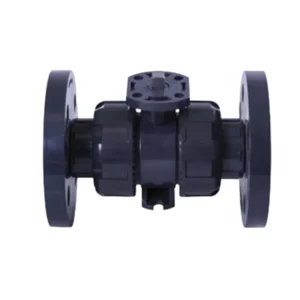
Chemical & Corrosion Resistance Performance of UPVC Valves
At the correct operating temperature (The long-term working temperature range of UPVC is 5℃ to 45℃), UPVC can resistant most of heavy acid and heavy alkali which including Hydrochloric acid(HCI), Sulfuric acid(Sulfuric acid) (H₂SO₄), Nitric acid(HNO₃); Sodium hydroxide(NaOH), Potassium hydroxide(KOH), Ammonia water(NH3·H2O) and Sodium hypochlorite (NaCIO) etc. However, since UPVC can be dissolved in benzene, it is not resistant to benzene-based liquids.
Our UPVC products—including the durable upvc stainer—are added with UV inhibitors to make them can withstand ultraviolet rays in a certain extent. However, in order to exert their performance preferably and ensure long-term stable operation, it is better to avoid direct exposure to ultraviolet rays for a long time. This applies equally to upvc valve installations.
Although UPVC is an excellent acid and alkali resistant material, it may become relatively brittle in low-temperature environments, a factor that requires special attention when using upvc valves in cold regions. When applied in cold regions, it is necessary to take proper protective measurement.
Our UPVC products—including the durable upvc stainer—are added with UV inhibitors to make them can withstand ultraviolet rays in a certain extent. However, in order to exert their performance preferably and ensure long-term stable operation, it is better to avoid direct exposure to ultraviolet rays for a long time. This applies equally to upvc valve installations.
Although UPVC is an excellent acid and alkali resistant material, it may become relatively brittle in low-temperature environments, a factor that requires special attention when using upvc valves in cold regions. When applied in cold regions, it is necessary to take proper protective measurement.